What protection does the HB-X series specify?
KEDA LED confirms IP54 front protection and 1000 nits brightness for its HB-X mobile LED poster series. The original brochure lists GOB protection, a 640 × 1920 mm active area, 43 kg net weight and a 110–240 V supply range. These specifications describe different aspects of the display; they do not combine into a whole-cabinet outdoor approval.
The summary below separates the published value from the installation question it leaves open. It applies to the HB-X2.5, HB-X1.86, HB-X1.53 and HB-X1.25 poster models. Other LED and LCD formats require their own specifications and supporting documents.
| Specification | Published HB-X value | Scope to confirm |
|---|---|---|
| Protective process | GOB | A surface process; verify enclosure and connection protection separately. |
| Front protection | IP54 front only | Confirm the rear, base, connectors and complete installed arrangement. |
| Brightness | 1000 nits | Review ambient light, reflections and representative content at the venue. |
| Active display area | 640 × 1920 mm | Confirm the cabinet footprint, movement route and installation clearances. |
| Net display weight | 43 kg | Packed weight and safe handling arrangements need separate confirmation. |
| Supply voltage | 110–240 V | Confirm the final electrical input and local installation requirements. |
| Factory warranty | 2 years | Coverage, start date and service responsibilities follow the written order agreement. |
What should integrators compare in a COB display and a GOB module?
COB (chip on board) mounts bare LED chips directly on a substrate. GOB (glue on board) adds protective resin over the LEDs on the module face. HB-X uses SMD 3-in-1 LEDs with GOB. If the brief calls for COB, ask the supplier for the module part number and a same-pitch sample to assess the surface and service procedure.
The IEC describes IP ratings as resistance of an enclosure to the intrusion of dust or liquids. A front-only specification therefore needs an explicit scope: which surface or assembly is covered, how the unit is installed and what supporting evidence applies to the selected configuration. Request the applicable test report or conformity information rather than treating the GOB name as a waterproof certificate.
Which placement needs which checks?
Start with the actual exposure rather than the name of the venue. A roof can leave the rear open to wind-driven rain; glass can create reflections and heat even when the display itself is indoors.
Use this matrix to prepare the site review. Share photographs of the face, rear, base and cable route, along with expected operating conditions. Obtain written confirmation for the selected configuration before installation.
| Planned location | What still needs checking | Evidence to request |
|---|---|---|
| Indoor retail or showroom | Cleaning exposure, ventilation, stable placement and safe cable access. | The approved installation instructions and a layout showing service access. |
| Indoors behind storefront glass | Reflections, sunlight on the screen, heat and readability from outside. | A review with your content at the intended viewing position and brightest operating period. |
| Covered entrance or sheltered event area | Wind-driven rain, moisture, rear exposure and connection protection. | Written suitability confirmation for the complete installed configuration and stated conditions. |
| Open-air or directly weather-exposed site | Whole-unit environmental protection, electrical installation and stability. | A configuration explicitly approved for that site; do not approve it from the front rating alone. |
These are questions for a site assessment, not environmental limits or approval for any location. A product render is not a weather-test record.
Assess brightness and reflections at the actual location
Does 1000 nits guarantee sunlight readability?
No. The HB-X brightness specification is 1000 nits, but that number alone does not demonstrate readability in every daylight condition. Direct sun, glass reflections, screen orientation and the displayed content all affect the viewing result.
Use representative media and review the proposed location at the times it will operate. Include the viewing distance, text size and whether the display is behind glazing. Agree a viewing demonstration and acceptance criteria for the installation; this guide does not set a universal sunlight threshold.
What needs checking beyond the front surface?
Review the complete cabinet, its power and data connections, supporting base and movement route. Front protection does not establish suitable cable protection, stable placement or the electrical arrangement for an exposed location.
Each HB-X unit has one display face. For a joined-screen installation, the approved power and data connections belong on the inward or service side. Keep the connector scope and access clear in the installation drawing. Have appropriately qualified personnel review electrical supply, protection, grounding and local requirements using the approved instructions.
Which documents should a buyer request?
Request the documents for the exact model and configuration being quoted. A photograph, render or general family brochure cannot substitute for the relevant ingress-protection scope and installation instructions.
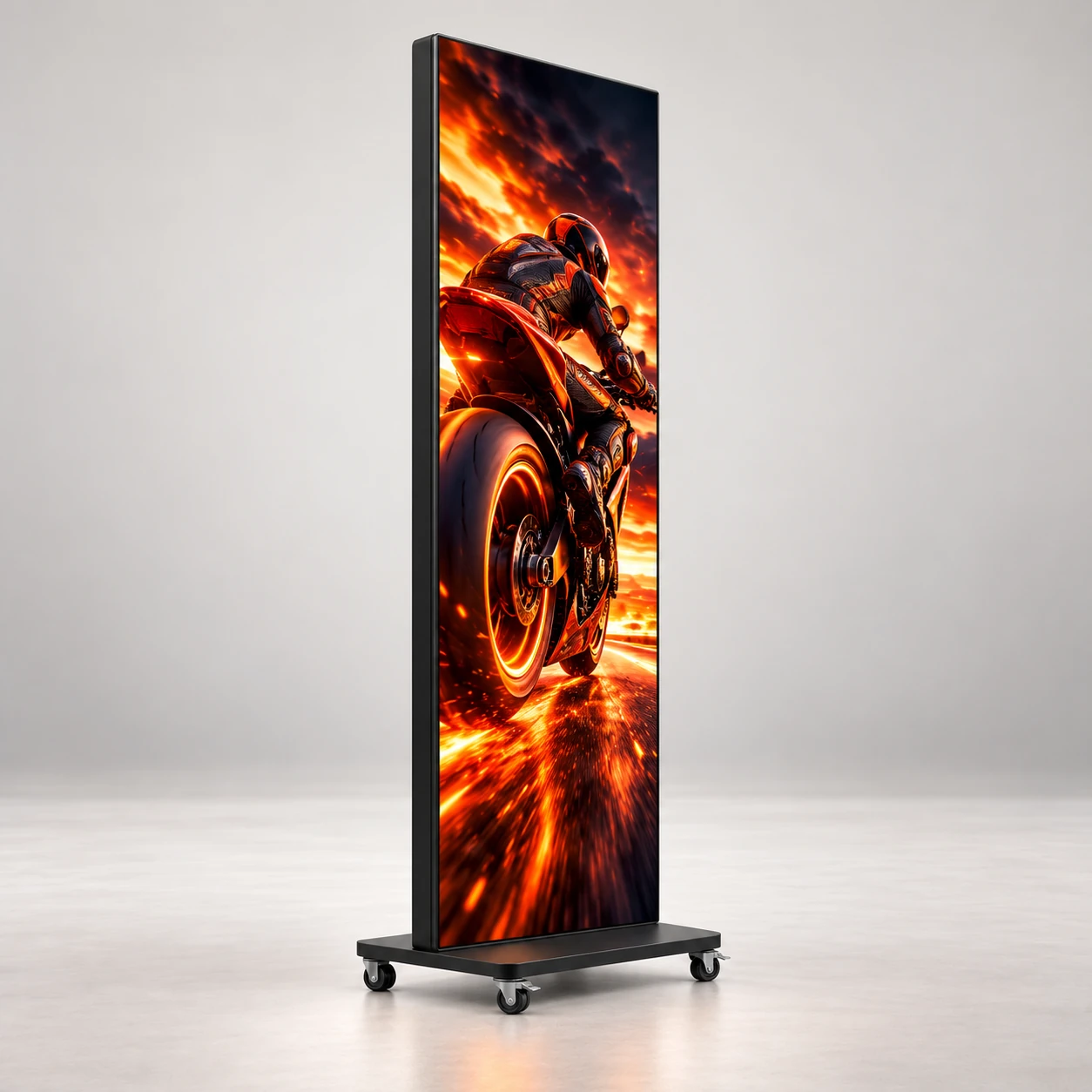
KEDA LED can review a document request with your selected model, quantity, destination and placement details. The team confirms which material is available. Product imagery accompanying this guide is a generated studio illustration, not evidence of an outdoor test or delivered installation.
- Model-specific specification and stated ingress-protection scope
- Applicable supporting test or conformity documents
- Approved installation, exposure and environmental conditions
- Cabinet, base, connector and service-access drawings
- Electrical requirements, operating instructions and acceptance criteria
Does a two-year warranty approve outdoor placement?
A warranty period and an environmental approval answer different purchasing questions. KEDA LED provides a two-year factory warranty; coverage, start date and service arrangements are documented in the written order agreement.
Ask the factory to record the approved installation conditions and applicable service responsibilities alongside the technical specification. Do not assume that a warranty duration extends the front protection rating to the whole cabinet or approves every outdoor location.
What should I include in a placement inquiry?
Start with the destination, proposed model or selection questions, quantity and target date. Add the placement photographs, expected exposure, viewing conditions and the content workflow. Identify the documents and demonstration needed for your purchasing review.
This information lets the factory assess the selected display and installation together. Use the engineering guide and original brochure alongside this article, then confirm the final configuration and installation conditions in writing before ordering.
- Destination country and indoor, window, sheltered or exposed placement
- Photographs showing the front, rear, base and connections
- Viewing distance, ambient light and representative content
- Quantity, model questions, controller and update workflow
- Required drawings, protection evidence and acceptance checks
Product documents & next steps
Use the current product documents alongside this guide. Confirm the final specifications, available options and commercial terms for your selected configuration.
- KEDA LED engineering guide: confirmed front protection and brightness
- KEDA LED two-year factory warranty and service scope
- IEC overview: ingress protection ratings for enclosures
- Compare LED poster formats